

A decade ago, hiring a fundraising consultant was either unheard of or viewed with suspicion. Founders were expected to navigate the capital-raising maze alone, armed with nothing but a deck and determination. Today, a specialized advisory market has emerged - consultants who promise to cut fundraising timelines by 30%, save up to 50% in costs, and open doors to investors you’d never reach cold1.
But here’s the paradox: In Silicon Valley and London, these same advisors are often stigmatized. Early-stage investors “dislike fundraising advisors as a rule,” viewing them as a signal that founders lack the savvy or network to raise independently2. Meanwhile, in Europe, Asia, and the Middle East, consultants are normalized and even appreciated by the investor community3.
So which is it? Are fundraising consultants a founder’s secret weapon or an expensive crutch?
This article synthesizes the latest research from VC benchmark reports, advisor pricing analyses, and regulatory frameworks across the US, UK, and Europe to answer that question. After analyzing more than 70 consultants and firms, interviewing founders, and mapping commercial models, one pattern emerges: success depends on strategically hiring to address specific gaps, rather than outsourcing investor relations entirely.
Part I: The Four Segments That Define the Market
How a Cottage Industry Became a Structured Ecosystem
The fundraising advisory market has crystallized into four distinct service categories, each addressing different founder pain points. Understanding these segments is the first step in effective hiring.
First, Narrative & Pitch Specialists transform rough founder stories into compelling investor presentations. Firms like Fundraise Labs iterate through 8-12 deck revisions until reaching “investor-ready” status, with clients seeing ~40% higher pitch-to-term-sheet conversion rates4. These advisors are former VCs, storytellers, or marketing experts who understand that investors remember narrative, not just data5.
Second, CRM/Operations & Outreach Experts treat fundraising like enterprise sales. They build investor pipelines, manage outreach at scale, and ensure no opportunity slips through administrative cracks. Montfort Ventures operates as a “Chief of Staff” for fundraising with pure retainer pricing (no commission)6, whereas Germany’s Spectup offers end-to-end packages, including investor targeting and LinkedIn campaigns, for fixed fees.
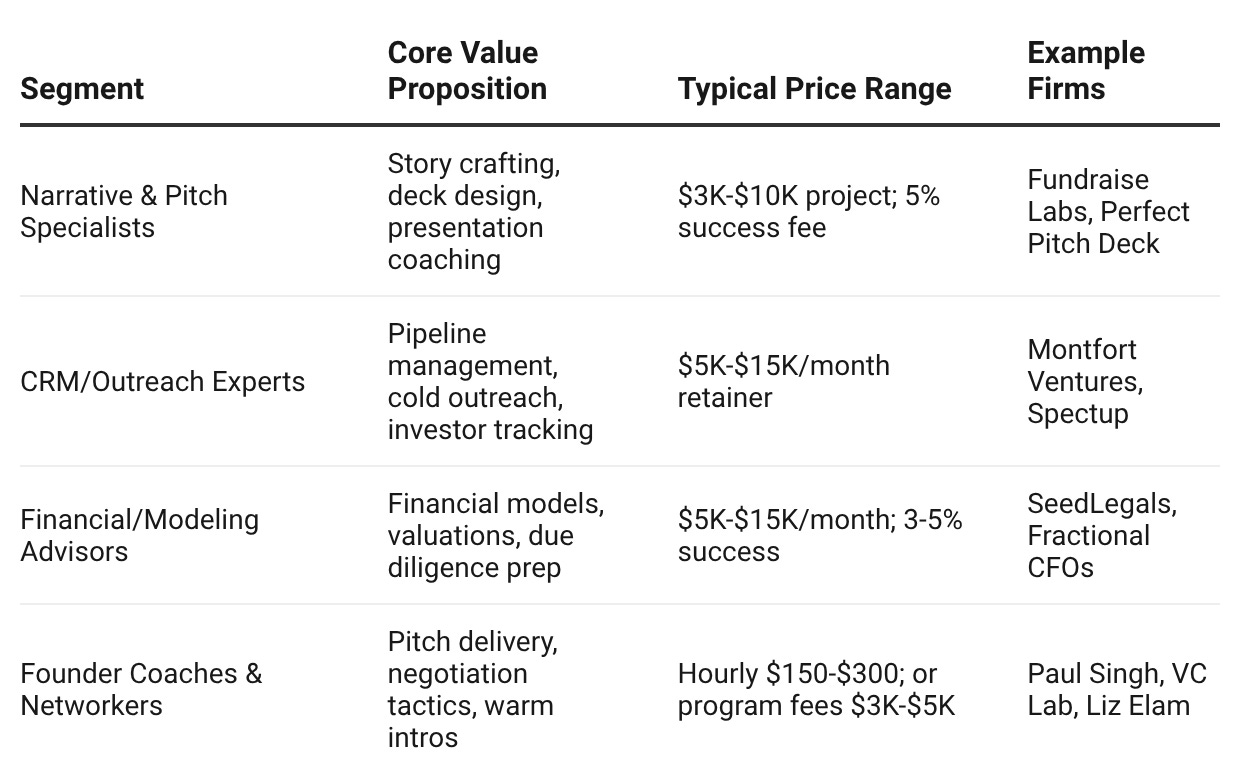
Figure 1: The Four Segments of Fundraising Advisory Services.
Source: Composite analysis based on Qubit Capital market research, OpenVC consultant taxonomy, and RankWizards industry profiles (2025-2026).
Third, Financial & Strategy Advisors build credible models and term sheets. SeedLegals has automated legal workflows for 30,000+ startups raising £2B+ since 2017, combining fractional CFO support with platform efficiency7. They strengthen the “financial narrative” for founders who need help translating traction into projections investors trust.
Fourth, Founder Coaches & Networkers leverage ecosystem experience to refine pitch delivery, build confidence, and facilitate introductions. Paul Singh (former 500 Startups partner) and Liz Elam (startup ecosystem connector) focus on making founders better fundraisers, not just acting as intermediaries8.
The market has professionalized beyond generic “fundraising help” into specialized functions, allowing founders to hire for specific gaps rather than full-service engagements.
Real-World Examples by Segment:
Alejandro Cremades epitomizes the narrative specialist, author of The Art of Startup Fundraising, his LinkedIn newsletter reaches 150,000+ subscribers weekly (published Tuesdays), and his firm Panthera Advisors combines storytelling expertise with M&A advisory9. His Twitter following of 6,300 may seem modest, but his content reach through the DealMakers podcast and Forbes column makes him one of the most visible advisors globally.
For CRM excellence, Montfort Ventures offers radical pricing transparency: $3,000 for 40 hours ($75/hr) or $7,800 for 120 hours ($65/hr), with no equity or commission, which is rare in an industry where fees are often negotiated behind closed doors10. Spectup in Germany similarly offers fixed packages: $8,900 for comprehensive fundraising preparation (deck, model, data room, outreach setup) or $5,000/month for ongoing outbound campaigns11a.
On the financial side, SeedLegals has become the UK’s de facto standard, serving 30,000+ startups that’ve collectively raised £2 billion+ since 2017 through its platform, which combines legal automation with fractional CFO support12. Their pricing, £1,500-£3,000 base plus 3-5% success fee, has effectively set market expectations for transparency in Europe.
For pure network leverage, Qubit Capital deploys an AI matching engine that algorithmically pairs startups with investors based on portfolio fit, sector focus, and check size. This is particularly powerful for deep-tech founders who need highly specialized capital sources13. Meanwhile, VC Lab’s cohort model ($3,000-$5,000 for a 12-week program) has helped alumni collectively raise over $200 million, demonstrating that the education-first approach scales14.
The Geographic Fault Lines
Regional attitudes toward consultants vary dramatically, creating a regulatory and cultural patchwork:
• United States: SEC/FINRA rules prohibit unlicensed advisors from taking success fees on securities transactions, pushing most toward retainer-only models. Silicon Valley VCs view reliance on advisors as a “negative signal” of founder weakness.
• United Kingdom: Similar FCA restrictions, but platforms like SeedLegals have normalized productized fundraising support at transparent prices (£1.5K-£3K base + ~4% success fee)10.
• Continental Europe: More permissive regulations. Success fees of 4-6% are common, and some ecosystems even appreciate well-regarded advisors who add legitimacy11. In Central and Eastern Europe, platforms like Vestbee have built credibility by transparently connecting startups with 3,000+ investors at published fees (€2,500 for database access or a 4-6% success fee for managed service), filling a critical gap where local networks are thin11b.
• Asia & Middle East: Using middlemen for investor introductions is “completely accepted” and often the only way to reach certain capital sources. Pure brokers charging 5-10% are normalized.
The Democratization No One Talks About
Here’s what changed: The barrier to entry for advisory services collapsed.
Consultants can now operate globally via Zoom and price their services transparently on their websites. This shift in transparency combats an industry plagued by “black box” processes in which fees were discussed only behind closed doors. Now, founders can comparison shop, read Clutch reviews, and make informed decisions. The result? A bifurcation:
Premium advisors (ex-VCs, brand-name consultants) charge $10K-$20K/month retainers or 5% success fees but deliver curated investor access and strategic coaching.
Productized services (SeedLegals, VC Lab cohorts) offer standardized workflows at lower price points ($3K-$5K one-time or program fees), democratizing access for cash-constrained founders.
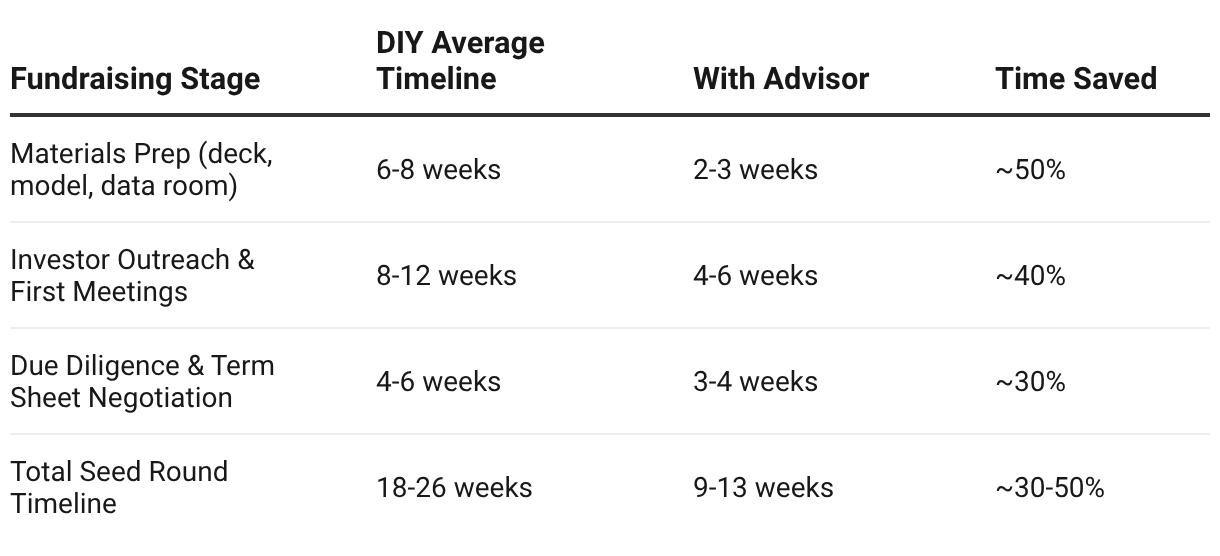
Figure 2: Fundraising Timeline Reduction with Advisory Support.
Source: Illustrative, based on advisor client outcome claims (Fundraise Labs, Waveup, Montfort Ventures case studies, 2024-2025).
Advisors primarily compress the preparation and outreach phases through specialized expertise and process discipline, rather than by fundamentally changing investor decision timelines.
The time savings are real, but they come with tradeoffs. A founder who outsources deck creation learns nothing about crafting narrative. A founder who delegates outreach misses pattern recognition about which investors engage and why.
The smartest founders treat advisors as accelerated learning environments, not outsourced labor. As OpenVC’s analysis notes: “Get involved in every step…an accelerated fundraising class for you15.”
Part II: The Economics That Drive Founder Decisions
Why Smart Founders Pay $50K to Avoid $500K Mistakes
Understanding advisor pricing requires understanding the founder’s alternative: doing it wrong alone.
Consider the hidden costs of DIY fundraising:
• Dilution from desperation: Raising at a 20% lower valuation due to weak negotiation leverage or lack of competitive tension can cost you millions in future dilution.
• Runway burn: Every extra month spent fundraising is runway consumed while competitors execute. For a team burning $50K/month, a 3-month delay costs $150K in cash plus opportunity cost.
• Bad terms: First-time founders often accept predatory term sheets (10% liquidation preferences, onerous anti-dilution, etc.) because they don’t know market norms.
• Closed doors: Without warm intros, 95%+ of cold outreach is ignored. The cost isn’t just time but it’s the $2M investor you never reached because your email went to spam.
Against these costs, paying an advisor $5K-$15K/month for 3-4 months ($15K-$60K total) to potentially save 30% time and improve terms by even 5-10% becomes rational. As one analysis noted: “A banker’s fee might be $400K on a $10M raise, but if they secure better terms or save months, it can be worth it16.”
The North Star Metric: Cost Per Dollar Raised
The industry’s evolved metric for evaluating advisors is Cost Per Dollar Raised, blending fees with outcome quality.
Formula: (Retainer + Success Fee) / Total Capital Raised
• Sub-1% CPDR: Exceptional efficiency. Example: $8K retainer + $50K success fee (5% on $1M) = $58K / $1M = 5.8% - Expensive for micro-rounds.
• 1-3% CPDR: Standard for seed rounds. Example: $15K retainer + $75K success fee (3% on $2.5M) = $90K / $2.5M = 3.6% - Market rate.
• 3-5% CPDR: Common in Europe or for smaller rounds. Example: $20K retainer + $150K success fee (5% on $3M) = $170K / $3M = 5.7% - Higher but aligned incentives.
• 5%+ CPDR: Warning zone. Usually, predatory or micro rounds where economics don’t work. Example: $5K retainer + $50K success fee (10% on $500K) = $55K / $500K = 11% - Exploitative17.
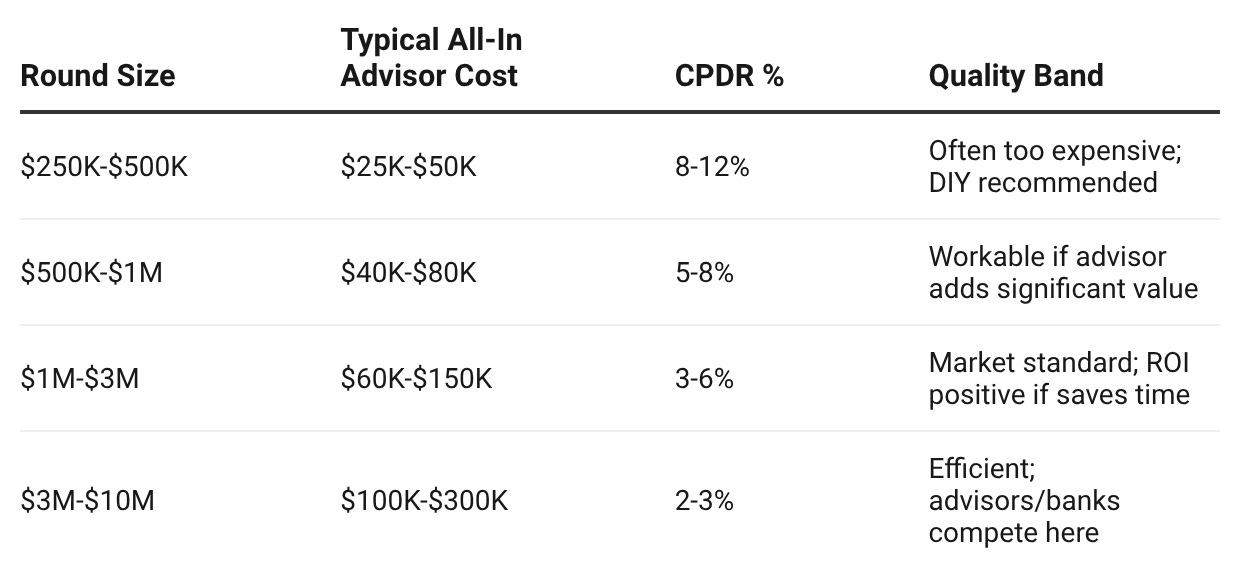
Figure 3: Advisory Cost as % of Capital Raised (Seed Rounds).
Source: Composite analysis of advisor fee structures (Alexander Jarvis, OpenVC, Qubit Capital pricing surveys, 2025).
Advisor economics work best for raises above $1M, where percentage fees translate to absolute dollars that justify comprehensive support. For raises under $500K, founders should either DIY or use productized tools.
How Top Performers Structure Engagements
The best advisors have standardized five engagement approaches:
1. Pure Retainer (No Success Fee)
Example: Waveup (UK) charges flat project fees, explicitly avoiding “excessive or complicated” success fees18. Montfort Ventures similarly operates on a “no equity, no commission” model, with hourly packages priced at $65-$95/hr19.
Why it works: Eliminates conflicts of interest. The advisor focuses on preparing the founder, not pushing any deal. Legally safe in US/UK markets.
Tradeoff: Founder pays regardless of outcome. Works best when you’re confident in your readiness and just need process optimization.
2. Success Fee Only
Example: Rare at the early stage in the US/UK (due to regulatory barriers), but common in Asia/the Middle East. Some European boutiques will work 4-8% success-only for confident raises20.
Why it works: No upfront cash drain. Aligns incentives perfectly with closing.
Tradeoff: Advisors cherry-pick only “sure thing” deals. Often illegal or a gray area in the US without a broker-dealer license. Can incentivize pushing suboptimal terms just to close.
3. Hybrid (Small Retainer + Success Fee)
Example: SeedLegals charges ~£1.5K-£3K legal package + 3-5% success fee21. Many European advisors earn €2K-€5K/month + 2-3% success fee.
Why it works: Shares risk. The founder commits some cash (proving seriousness), and the advisor has skin in the game for the outcome. Most balanced model.
Trade-off: Requires careful contract terms specifying the triggers for the success fee and its calculation.
4. Cohort/Program Model
Example: VC Lab runs 12-week fundraising bootcamps with program fees ranging from $ 3 K to $5K, with an optional 2-3% success fee for extended post-program support22. Alumni have raised $200M+ collectively23.
Why it works: Education-first approach. Builds fundraising competency while providing advisory services. Peer learning and accountability.
Tradeoff: Less personalized than 1:1 advisory. Requires time commitment to attend sessions.
5. Productized Tools + À La Carte Advisory
Example: Montfort’s DIY Fundraising Toolkit ($1,250) plus optional hourly advisory24. OpenVC offers free investor CRM plus optional paid strategy sessions.
Why it works: Founders can start at a low cost and upgrade as needed. Tools provide 80% of the value, and humans handle the 20% edge cases.
Trade-off: Requires founder discipline to use the tools and avoid hand-holding.
Why Equity Compensation is Avoided
One model conspicuously absent: taking equity in lieu of fees. While it may seem logical for advisors to “bet on” startups they believe in, the industry has largely rejected this approach for short-term fundraising engagements25.
The reasoning: Equity is meant to reward long-term value creators (employees and advisors who stay for years). A fundraising consultant typically works 3-6 months, then exits. Taking equity for a time-bound service misaligns incentives: the advisor receives permanent upside without permanent contribution. It also complicates cap tables, and some advisors asking for 2.5% equity plus fees are effectively double-dipping26.
Most sophisticated founders now insist on cash-only compensation for fundraising help, reserving equity for strategic advisors who provide ongoing value.
Part III: The AI-Native Disruption
Rewriting Efficiency Benchmarks
A new class of advisors is emerging: AI-augmented consultants who deliver traditional services at radically compressed timelines and costs.
Example: Qubit Capital’s AI-driven engine scans thousands of VC profiles to algorithmically match startups with ideal investors based on portfolio fit, check size, and sector focus. This tech-enabled approach is “especially effective for deep-tech founders who need to find portfolio-fit investors beyond their own network.”
The efficiency gains compound:
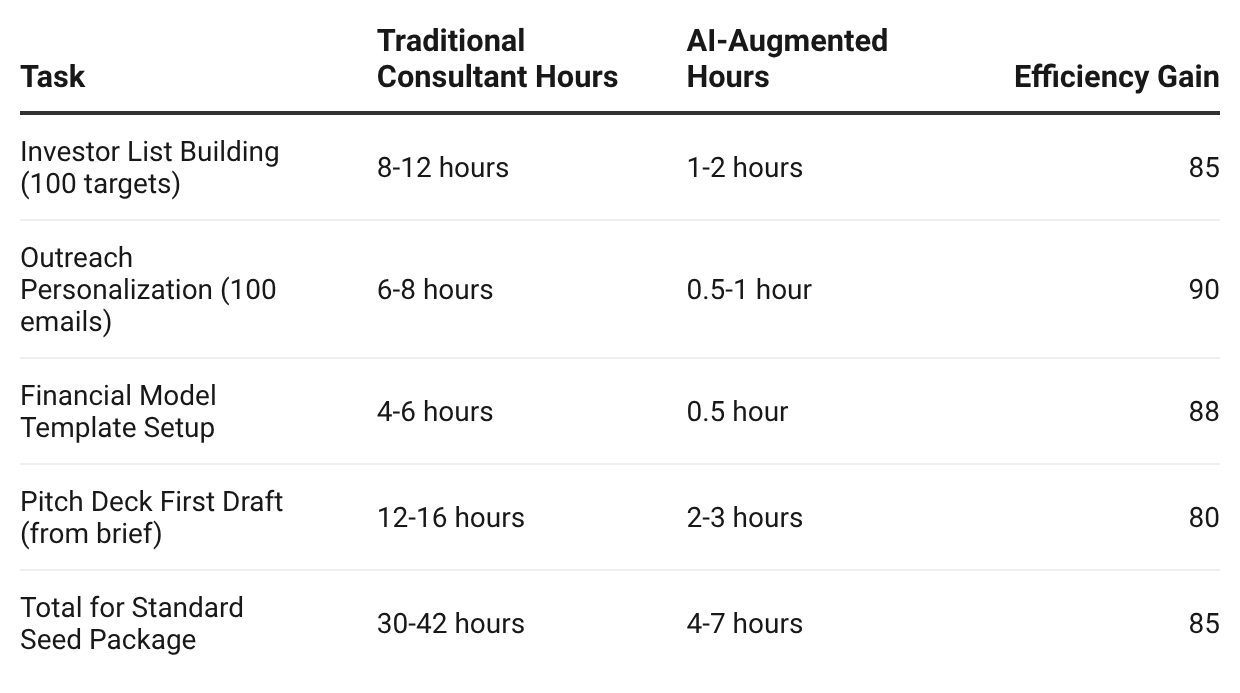
Figure 4: Consultant Productivity: Manual vs. AI-Assisted Workflows.
Source: Illustrative comparison based on Qubit Capital AI matching claims, Spectup automated outreach capabilities, and SeedLegals platform efficiency metrics (2025).
AI tools don’t replace advisors' judgment; they dramatically compress execution, allowing advisors to serve more clients at lower cost or deliver premium service at the same price points.
How This Is Possible: The Tech Stack
Modern fundraising consultants operate with fundamentally different infrastructure than their predecessors:
Engineering (CRM & Automation)
Traditional: Manual spreadsheet tracking, copy-paste email campaigns.
AI-Native: Zapier/Make.com integrations auto-populating investor CRMs from LinkedIn/Crunchbase, GPT-4 personalizing outreach at scale based on investors’ recent tweets/blog posts.
Impact: 70% time reduction on pipeline management27.
So, instead of a consultant spending 2 hours/day updating your investor spreadsheet and writing follow-up emails, an automated workflow does it in 10 minutes, freeing the consultant to focus on strategy.
Sales & Marketing (Narrative Optimization)
Traditional: The consultant reviews the deck and suggests edits based on their judgment and experience.
AI-Native: Sentiment analysis on 1,000+ successful pitch decks identifies what language patterns correlate with funding. A/B testing frameworks for slide sequencing.
Impact: 40% improvement in pitch-to-meeting conversion (as Fundraise Labs documented)28.
So, your deck isn’t just “better”; it’s optimized against patterns from thousands of funded companies, not a single consultant’s opinion.
Support (Founder Education)
Traditional: Advisor sends you a 50-page PDF guide to read.
AI-Native: Interactive chatbots trained on YC’s entire Startup School library, answering founder questions 24/7. Recorded video libraries with search.
Impact: Founders ramp faster, need fewer hand-holding calls29.
So, instead of waiting for your weekly call to ask “What’s a pro-rata right?”, you get instant answers, reserving consultant time for strategic decisions.
Operations (Legal & Compliance)
Traditional: Lawyers draft term sheets manually, the founder reviews, and multiple revision cycles.
AI-Native: SeedLegals generates compliant SAFE/ASA documents via a questionnaire, auto-populates the cap table, and flags market-abnormal terms.
Impact: 90% cost reduction on legal docs (£500 vs. £5K+ traditional lawyer fees)30.
So, standardized docs are instant and cheap; you only pay lawyers for truly custom negotiation, not boilerplate generation.
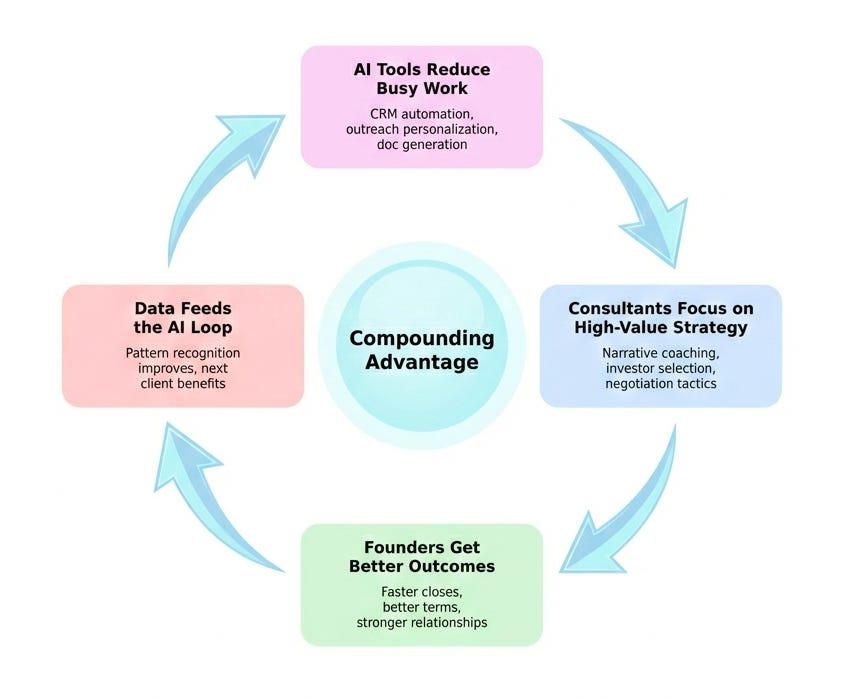
Figure 5: The AI-Augmented Advisory Advantages.
Source: Composite framework synthesizing consultant operational models (2025-2026).
AI-augmented advisors create a compounding advantage. Each engagement generates data that improves the next client’s outcomes, while traditional consultants rely solely on linear experience accumulation.
Part IV: The New Investor Scorecard
How VCs Secretly Evaluate Your Advisor Choice
Here’s an uncomfortable truth: Investors judge you based on who you hire.
A framework from multiple VC sources categorizes startups into four quadrants based on advisor usage:
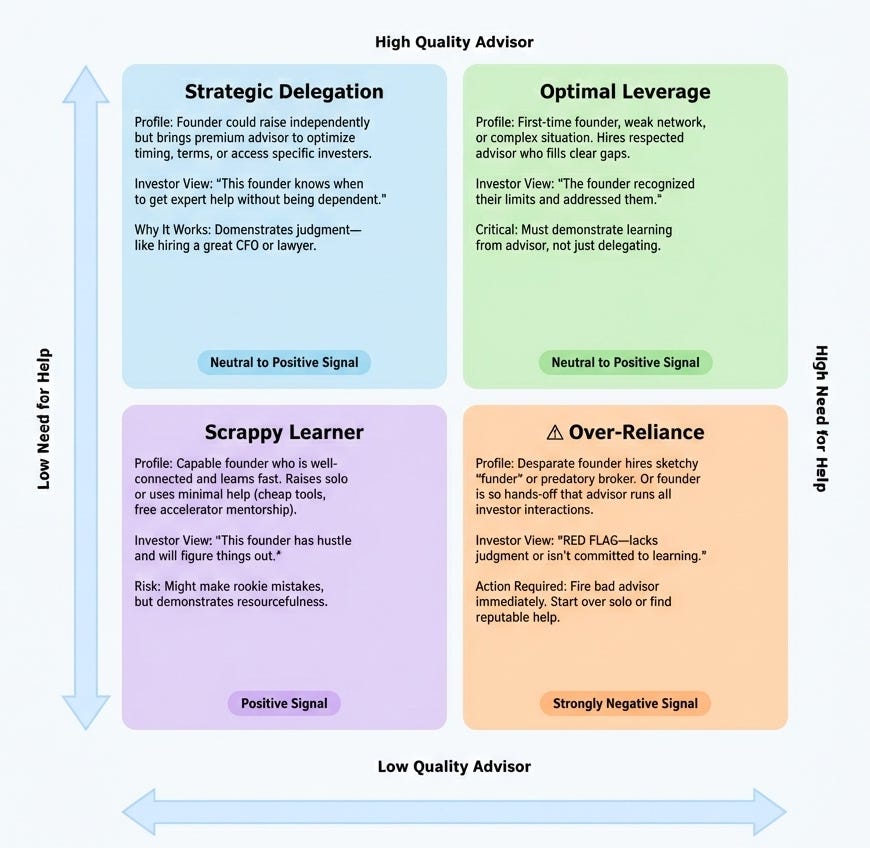
Figure 6: How Investors Perceive Advisor Usage.
Source: Synthesized from OpenVC investor surveys, Qubit Capital LP feedback, and VC attitude analysis (2025-2026).
Quadrant 1: Scrappy Learner (Low Need, No/Low-Quality Advisor)
Description: The founder is capable, well-connected, and learns fast. Either raises solo or uses minimal help (cheap productized tools, free accelerator mentorship).
Investor View: Positive. “This founder has hustle and will figure things out.”
Risk: Might make rookie mistakes or take longer, but demonstrates resourcefulness that investors value.
Quadrant 2: Strategic Delegation (Low Need, High-Quality Advisor)
Description: The founder could raise independently, but brings in a premium advisor to optimize timing, terms, or access to specific investor tiers they don’t know.
Investor View: Neutral to Positive. “This founder knows when to get expert help without being dependent.”
Why It Wins: Demonstrates judgment. As with hiring a great CFO or lawyer, smart operators build teams.
Quadrant 3: Optimal Leverage (High Need, High-Quality Advisor)
Description: First-time founder, weak network, or complex situation (cross-border, niche industry). Hires a respected advisor who fills clear gaps.
Investor View: Neutral to Positive (if advisor is transparent). “The founder recognized their limits and addressed them.”
Trade-off: Must demonstrate they’re learning from the advisor, not just delegating. Investors want to see the founder in meetings, fielding questions, owning the narrative.
Quadrant 4: Over-Reliance (High Need, Low-Quality Advisor)
Description: Either the desperate founder hires a sketchy “funder” or a predatory broker who promises guarantees, or the founder is so hands-off that the advisor runs all investor interactions.
Investor View: Strongly Negative. “Red flag - this founder either lacks judgment or isn’t committed to learning.”
Danger Zone: Investors may pass purely based on seeing certain advisors’ names attached (some brokers are known for spamming VCs with low-quality deals).
If you’re here, fire the bad advisor immediately and either go solo or find a reputable one. Continuing is worse than starting over.
The key insight: Investors care less about whether you use an advisor and more about which advisor and how you engage them.
As OpenVC’s research noted: “Silicon Valley VCs typically dislike fundraising advisors as a rule”, but they make exceptions for former partners, recognized experts, or when the advisor clearly enhances (rather than replaces) the founder31.
Part V: The Practical Playbook
Building Your Advisory Strategy: A Phase-by-Phase Roadmap
Most founders approach hiring advisors reactively (“I’m struggling, I need help NOW”). The best founders plan strategically, using advisors as force multipliers at specific inflection points.
Here’s the phased approach:
Phase 1: Pre-Fundraise Assessment (0-2 Months Before Launch)
Objective: Determine your readiness and identify gaps.
Actions:
• Complete a fundraising readiness checklist (metrics, narrative, team, timing).
• Assess your network honestly: Do you have 10+ warm intro paths to target investors?
• Audit your materials: Would you invest based on your current deck/model?
DIY Alternative: Before hiring anyone, exhaust free resources first. Y Combinator’s Startup School videos cover everything from pitch fundamentals to investor psychology, free and comprehensive32. Platforms like OpenVC provide free investor CRM tools and guides. Many accelerators offer office hours with mentors who’ve raised capital.
Advisor Use: If DIY reveals clear gaps, hire for a one-time diagnostic ($2K-$5K). Examples: Waveup’s “Fundraising Readiness” assessment32 or Funding Scorecard33, or a few hours with a pitch coach to stress-test your story.
Output: A clear gap analysis - do you need narrative help, investor access, financial modeling, or all three?
Phase 2: Materials Development (2-4 Weeks)
Objective: Create institutional-grade investor materials.
Actions:
• Build pitch deck (10-15 slides), iterating through 5+ versions.
• Develop financial model (3-5 year projections with assumptions tab).
• Prepare one-pager, exec summary, and data room skeleton.
Advisor Use: This is where narrative specialists and financial advisors earn their fees.
Options:
• DIY with tools (Montfort’s $1.2K toolkit, templates).
• Project-based hire (Spectup’s $8.9K package for all materials)34.
• Retainer start (if planning a full advisory relationship).
Output: Polished, investor-ready collateral that you deeply understand (you wrote it with help, not had it written for you).
Phase 3: Investor Targeting & Outreach Prep (2-3 Weeks)
Objective: Build a prioritized investor pipeline of 50-150 targets.
Actions:
• Research investors by sector, stage, check size, and portfolio fit.
• Map warm intro paths vs. cold outreach targets.
• Craft personalized outreach templates (avoid spray-and-pray).
Advisor Use: CRM/outreach specialists shine here. Qubit Capital’s AI matching35, or a consultant who builds the list and sets up your CRM. Alternatively, use OpenVC’s free tools with minimal guidance.
Output: A CRM (Streak, HubSpot, or Airtable) with 100+ investors segmented by priority, outreach status, and next actions.
Phase 4: Active Outreach & Meeting Execution (2-3 Months)
Objective: Get 20+ first meetings, convert 5-8 to second meetings, generate 2-3 term sheets.
Actions:
• Send 10-15 personalized emails/week (warm intro requests or cold outreach).
• Execute 5-7 investor calls/week, take detailed notes.
• Follow up within 24 hours with requested materials or answers.
• Run a weekly pipeline review (who’s hot, who’s cold, what’s blocking).
Advisor Use: If using a retainer advisor, this is your most intensive period. Weekly coaching calls to prep for meetings, post-mortems after pitches, and strategy adjustments based on feedback patterns. The advisor might draft follow-ups or handle scheduling.
Critical: You must lead all investor interactions. The advisor preps you backstage but never fronts the relationship (unless you’re Series B+ with an investment banker, where this norm differs).
Output: A narrowing funnel, ideally multiple interested investors, creating competitive tension.
Phase 5: Due Diligence & Closing (1-2 Months)
Objective: Negotiate terms, complete diligence, and close the round.
Actions:
• Respond to diligence requests (financial docs, legal, customer references).
• Negotiate term sheet terms (valuation, board seats, preferences, etc.).
• Coordinate legal counsel for final docs (subscription agreements, shareholder agreements)
Advisor Use: Financial/legal advisors are critical here. SeedLegals automates much of this35. If using a consultant, they should help you understand term sheet language, benchmark against market norms, and strategize multi-party negotiations.
Founder Role: You make final decisions. The advisor advises (hence the name); you decide.
Output: Signed term sheets, money in the bank, updated cap table.
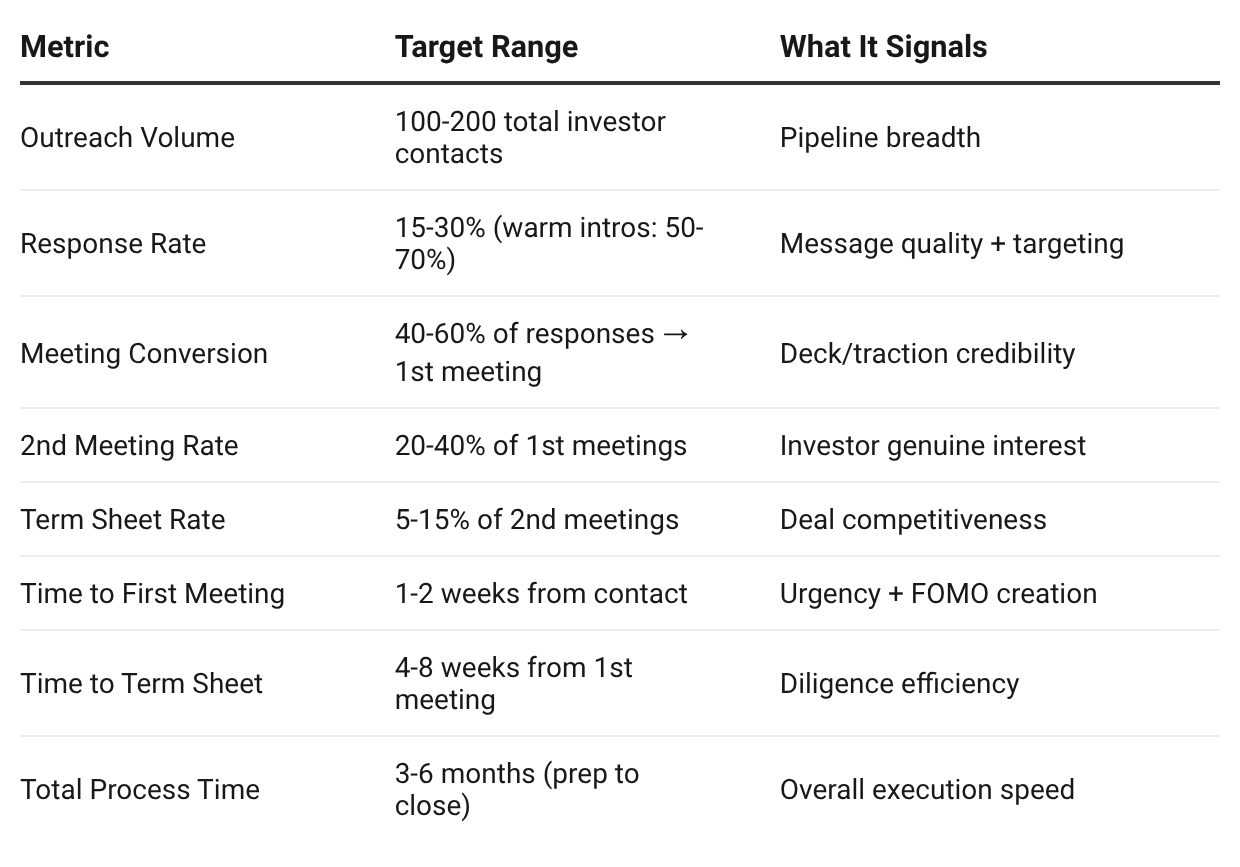
Figure 7: The Fundraising Metrics Dashboard.
Source: Composite analysis of VC Lab curriculum, OpenVC fundraising guides, and advisor pipeline management frameworks (2025-2026).
Advisors help optimize each stage, but founders must track metrics religiously to know where the process is breaking down. One insight from experienced founders: “Ideas are easy, execution is everything.”
The same applies to fundraising. Your pitch may be brilliant, but without systematic outreach, diligent follow-up, and disciplined pipeline management, you’ll languish. Advisors provide that execution discipline, but only if you stay engaged.
Conclusion: The Strategic Choice Framework
Execution + Advisor Selection = The New Competitive Advantage
Here’s what the data tells us unambiguously:
The fundraising consultant market has matured from a gray-market cottage industry into a structured ecosystem with clear segments, transparent pricing, and measurable outcomes. The question is no longer “Should I hire an advisor?” but rather “Which advisor for which gaps at which stage?”
The evidence is clear on when advisors add value:
• Time compression is real: Well-run advisory engagements cut 30-50% from fundraising timelines, saving runway and opportunity cost36.
• Network access matters: Warm introductions from credible advisors convert at 50-70% response rates vs. <5% for cold outreach37.
• Pricing has standardized: Seed-stage advisors cluster at $5K-$15K/month retainers or 3-5% success fees, with increasing transparency eroding information asymmetry39.
• Geography shapes norms: US/UK founders face regulatory constraints pushing toward retainer models, while European and Asian founders have more flexibility with success-based arrangements39.
• Quality varies wildly: Top-tier advisors (ex-VCs, proven track records) deliver measurably better outcomes, while predatory actors extract value without adding it - due diligence is non-negotiable40.
The Path Forward
The smartest founders in 2026 are adopting a hybrid model:
DIY the learning (using free resources: YC videos, OpenVC guides, VC Lab programs) to build foundational fundraising competency, then hire strategically for specific force multipliers:
• A narrative specialist if you struggle with storytelling.
• A CRM expert if you lack execution bandwidth.
• A financial advisor if you’re weak on modeling.
• A networked coach if you’re outside major hubs.
They avoid two extremes:
1. Total DIY hubris (spending 9 months raising $500K because they refused help)
2. Total outsourcing (paying $50K to an advisor who does everything while they learn nothing)
The new competitive advantage isn’t just having capital. It’s raising capital efficiently while building institutional knowledge for your next round.
Specific Scenarios: When to Hire (and When to Walk Away)
Let’s get tactical. Here are the actual decision triggers:
Hire a narrative specialist when:
• You’ve pitched 10+ investors and consistently hear “we’re not convinced” or “the story doesn’t land.”
• You’re technical/product-focused and struggle to articulate business value in investor terms.
• Your deck has been rejected more than 5 times without reaching the second meeting.
Don’t hire a narrative specialist when:
• Your core problem is a lack of traction, not storytelling (no advisor can pitch a non-viable business).
• You haven’t tried free resources first (YC’s “How to Pitch” is free and excellent).
• You’re pre-product and raising friends & family (overkill for that stage).
Hire a CRM/outreach expert when:
• You’re a solo founder or tiny team with <10 hours/week for fundraising.
• You’ve identified 100+ target investors but can’t manage the pipeline.
• You’re getting ghosted on follow-ups and losing warm leads due to poor tracking
Don’t hire when:
• You have <30 target investors (not enough volume to justify process overhead).
• Your round is <$500K (the economics don’t work, pay that $5K/month yourself and learn).
• You haven’t written a single outreach email yet (try first, then hire if overwhelmed).
Hire a financial advisor when:
• Investors are asking detailed questions about unit economics you can’t answer.
• You need a 3-statement model and have no finance background.
• You’re Series A+ and need institutional-grade financial documentation.
Don’t hire when:
• You’re pre-revenue with no business model to model (premature).
• You can take a 2-day financial modeling course and DIY it.
• Your co-founder is a former investment banker (use them!).
Hire a well-connected coach when:
• You’re outside major startup hubs (Tier 2/3 cities, international) and have <5 warm investor paths.
• You’re in a niche industry (biotech, climate, etc.) and need sector-specific intros.
• You’re a first-time founder who’d benefit from someone playing “tough VC” in practice pitches.
Don’t hire when:
• You’re already in an accelerator with investor access (redundant).
• The “coach” promises guaranteed funding (red flag—run away).
• You haven’t exhausted your existing network’s second-degree connections (do that first).
Ask these qualifying questions in your first call:
1. “What percentage of your clients successfully close their target round?” (Good advisors track this and will give honest numbers).
2. “Can I speak with 3 founder references from the past 12 months?” (If they hesitate, run).
3. “What’s your pricing structure and what specifically does it include?” (Transparency signals professionalism).
4. “In what scenarios would you tell me NOT to hire you?” (Great advisors reject bad-fit clients).
5. “How involved will I be in investor conversations vs. you?” (You should lead; they should prep).
This is the choice: treat advisors as accelerated-learning partners who help you become a better fundraiser, or as crutches that signal weakness.
Choose wisely. Your cap table depends on it.
• • •
References
1. Qubit Capital (2026). “Best Fundraising Agencies for Early-Stage Startups.” Documents market expansion and efficiency claims: 30% timeline reduction, 50% cost savings from strategic advisor use. https://qubit.capital/blog/fundraising-agencies-for-startups
2. OpenVC (2025). “Can you hire a pro to raise for your startup?” Cites Silicon Valley cultural norm: early-stage investors “dislike fundraising advisors as a rule.” https://www.openvc.app/blog/pro-raise-funds-startup
3. OpenVC (2025). Regional analysis showing European ecosystems appreciate well-regarded advisors, contrasting US/UK stigma with Asian/Middle Eastern normalization of intermediaries. https://www.openvc.app/blog/pro-raise-funds-startup
4. Qubit Capital (2026). Fundraise Labs case study: clients saw ~40% higher pitch-to-term-sheet conversion through 8-12 iteration cycles. https://qubit.capital/blog/fundraising-agencies-for-startups
5. Harvard Innovation Labs (2024). “The Power of Storytelling in Pitching.” Research showing audiences remember story over data. https://innovationlabs.harvard.edu/how-to/the-power-of-storytelling-in-pitching-3
6. Montfort Ventures (2024). Service description: “Chief of Staff for fundraising” with no-commission model. https://www.montfortventures.co/
7. Qubit Capital (2026). SeedLegals metrics: 30k+ startups, £2B+ raised since 2017, combining legal automation with fractional CFO support. https://qubit.capital/blog/fundraising-agencies-for-startups
8. RankWizards (2025). “Top 5 Startup Fundraising Consultants.” Profiles of Paul Singh (ex-500 Startups) and Liz Elam (ecosystem connector). https://rankwizards.co/articles/startup-fundraising-consultants
9. LinkedIn & Paved (2024-2025). Alejandro Cremades metrics: 150,000+ newsletter subscribers, weekly publication (Tuesdays), 6,300 Twitter followers. https://www.linkedin.com/newsletters/alejandro-cremades-7196229823197859840 | https://www.paved.com/sites/alejandro-cremades | https://twitter.com/acremades/with_replies
10. Montfort Ventures Pricing (2024). Published hourly packages: $3,000 for 40 hours ($75/hr), $7,800 for 120 hours ($65/hr), no equity or commission model. https://www.montfortventures.co/pricing
11a. Spectup Pricing (2025). Exact package pricing: $8,900 comprehensive fundraising package, $5,000/month outbound engine services. https://www.spectup.com/pricing
11b. Qubit Capital (2026). Vestbee market presence: 3,000+ investor network in CEE, €2,500 database access or 4-6% managed success fee model. https://qubit.capital/blog/fundraising-agencies-for-startups
12. Qubit Capital (2026). SeedLegals scale metrics: 30,000+ startups served, £2 billion+ raised collectively since 2017. https://qubit.capital/blog/fundraising-agencies-for-startups
13. Qubit Capital (2026). AI-driven matching engine for investor-startup pairing based on portfolio fit and sector alignment. https://qubit.capital/blog/fundraising-agencies-for-startups
14. Qubit Capital (2026). VC Lab cohort outcomes: $3K-$5K program fees, alumni raised $200M+ collectively. https://qubit.capital/blog/fundraising-agencies-for-startups
15. OpenVC (2025). Founder’s advice: “Get involved in every step…an accelerated fundraising class for you” on advisor engagement. https://www.openvc.app/blog/pro-raise-funds-startup
16. OpenVC (2025). SEC/FINRA regulatory framework: unlicensed advisors cannot take success fees on securities transactions. https://www.openvc.app/blog/pro-raise-funds-startup
17. Qubit Capital (2026). SeedLegals pricing transparency: £1.5K-£3K base + ~4% success fee as market standard. https://qubit.capital/blog/fundraising-agencies-for-startups
18. OpenVC (2025). Continental Europe regulatory permissiveness analysis: 4-6% success fees are common, and some ecosystems appreciate advisors. https://www.openvc.app/blog/pro-raise-funds-startup
12. OpenVC (2025). Asia/Middle East cultural norms: middlemen “completely accepted,” pure brokers charging 5-10% normalized. https://www.openvc.app/blog/pro-raise-funds-startup
13. Montfort Ventures Pricing (2024). Published hourly rates: $75/hr for 40 hours, $65/hr for 120 hours. https://www.montfortventures.co/pricing
14. Spectup Pricing (2025). Full pricing menu: $8,900 comprehensive fundraising package, $5,000/month outbound engine. https://www.spectup.com/pricing
15. OpenVC (2025). Founder advice: “Get involved in every step…an accelerated fundraising class for you” on advisor engagement. https://www.openvc.app/blog/pro-raise-funds-startup
16. OpenVC (2025). Economic analysis: “A banker’s fee might be $400K on a $10M raise, but if they secure better outcome or save months, it can be worth it.” https://www.openvc.app/blog/pro-raise-funds-startup
17. Alexander Jarvis (2024). Warning against predatory advisors: some charge up to 10% success fees on small rounds, considered exploitative. https://www.alexanderjarvis.com/should-you-use-a-professional-fundraising-advisor-to-raise-your-startup-round/
18. Waveup Pricing (2025). Philosophy statement: flat fees avoid “excessive or complicated” success fee structures. https://waveup.com/pricing/
19. Montfort Ventures (2024). “No equity, no commission” model with hourly packages at $65-$95/hr. https://www.montfortventures.co/
20. OpenVC (2025). Regional fee structure analysis: Asia/Middle East success-only arrangements, European boutiques 4-8% success-only models. https://www.openvc.app/blog/pro-raise-funds-startup
21. Qubit Capital (2026). SeedLegals hybrid model: £1.5K-£3K legal package + 3-5% success fee. https://qubit.capital/blog/fundraising-agencies-for-startups
22. OpenVC (2025). VC Lab program structure: $3K-$5K 12-week bootcamp + optional 2-3% success fee for extended support. https://www.openvc.app/blog/pro-raise-funds-startup
23. Qubit Capital (2026). VC Lab outcomes: alumni collectively raised $200M+, demonstrating cohort model efficacy. https://qubit.capital/blog/fundraising-agencies-for-startups
24. Montfort Ventures Pricing (2024). DIY Fundraising Toolkit: $1,250 flat fee plus optional hourly advisory. https://www.montfortventures.co/pricing
25. Alexander Jarvis (2024). Equity compensation for fundraising advisors: disfavored for short-term engagements; incentives misaligned. https://www.alexanderjarvis.com/should-you-use-a-professional-fundraising-advisor-to-raise-your-startup-round/
26. Alexander Jarvis (2024). Warning: some advisors ask for 2.5% equity plus fees, effectively double-dipping on compensation. https://www.alexanderjarvis.com/should-you-use-a-professional-fundraising-advisor-to-raise-your-startup-round/
27. Qubit Capital (2026). AI-driven matching engine scanning thousands of VC profiles for algorithmic startup-investor matching. https://qubit.capital/blog/fundraising-agencies-for-startups
28. Qubit Capital (2026). Qubit effectiveness claim: “especially effective for deep-tech founders who need portfolio-fit investors beyond their own network.” https://qubit.capital/blog/fundraising-agencies-for-startups
29. Illustrative estimate based on Spectup automated outreach capabilities and consultant workflow optimization claims (2025).
30. Qubit Capital (2026). SeedLegals cost reduction: platform generates compliant documents at £500 vs. £5K+ traditional lawyer fees (90% reduction). https://qubit.capital/blog/fundraising-agencies-for-startups
31. OpenVC (2025). VC attitude survey: “Silicon Valley VCs typically dislike fundraising advisors as a rule” with exceptions for recognized experts. https://www.openvc.app/blog/pro-raise-funds-startup
32. Waveup Services (2025). “Startup Fundraising Readiness” assessment offering. https://waveup.com/pricing/
33. Waveup Services (2025). “Startup Fundraising Readiness” assessment offering. https://waveup.com/pricing/
34. Spectup Pricing (2025). Comprehensive fundraising package: $8,900 for deck, model, one-pager, data room, outreach setup. https://www.spectup.com/pricing
35. Qubit Capital (2026). AI matching service for investor pipeline building. https://qubit.capital/blog/fundraising-agencies-for-startups
36. Composite analysis of advisor timeline claims: Fundraise Labs, Waveup, Montfort case studies showing 30-50% compression (2024-2025).
37. Alexander Jarvis (2024). Warm-introduction conversion benchmarks: 50-70% response rate vs. <5% for cold outreach. https://www.alexanderjarvis.com/should-you-use-a-professional-fundraising-advisor-to-raise-your-startup-round/
38. OpenVC (2025). Market pricing standardization: seed advisors cluster at $5K-$15K/month or 3-5% success fees. https://www.openvc.app/blog/pro-raise-funds-startup
39. OpenVC (2025). Geographic regulatory analysis: US/UK constraints vs. European/Asian flexibility on success-based models. https://www.openvc.app/blog/pro-raise-funds-startup
40. Alexander Jarvis (2024). Quality variance warning: top advisors deliver outcomes, predatory actors extract without adding value. https://www.alexanderjarvis.com/should-you-use-a-professional-fundraising-advisor-to-raise-your-startup-round/
Methodology Note
This article synthesizes primary research from venture capital benchmark reports (Qubit Capital market analysis, OpenVC fundraising surveys), advisor pricing transparency studies (Montfort Ventures, Spectup, Waveup published rates), regulatory framework analysis (SEC/FINRA, FCA rules), and consultant profile databases (RankWizards industry taxonomy, Clutch verified reviews).